A Field Guide to the Oregon Coast Tide Pools
The rocky intertidal zone of the Pacific Northwest hosts one of the most diverse communities on Earth. Here are some of the residents you're most likely to meet — and how to be a good guest.
The ones everyone wants to see
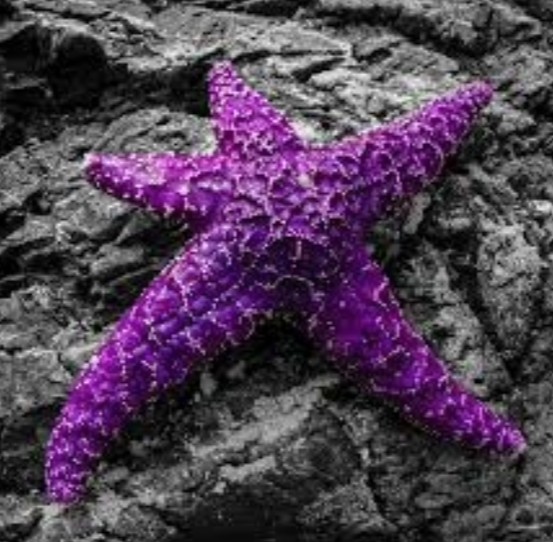
Ochre Sea Star
The orange, purple, or brown five-armed star is the keystone species of the Pacific intertidal — Robert Paine's classic 1960s experiment showed that without sea stars, mussels take over and biodiversity collapses. They're survivors of sea star wasting disease that devastated populations in 2013–2014, and they're slowly coming back.
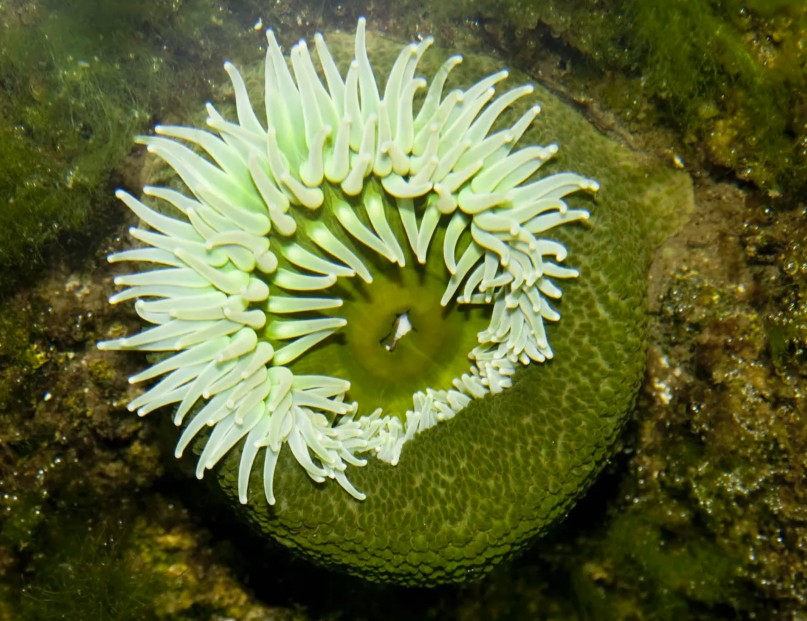
Giant Green Anemone
Up to a foot across when fully extended, glowing emerald from the symbiotic algae living in its tissues — the algae trade sugar for shelter. Their stinging cells are too weak to hurt human skin, so a fingertip touch will just feel sticky as the tentacles try to grab you.
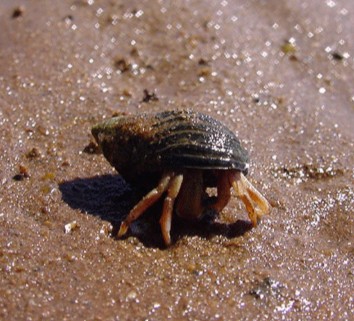
Hermit Crab
Soft-bodied crabs that wear borrowed snail shells. Watch a tide pool quietly and you'll see them upgrade homes — a too-small shell, a moment of vulnerability, then a quick scramble into the new one. Multiple species share the Oregon coast.
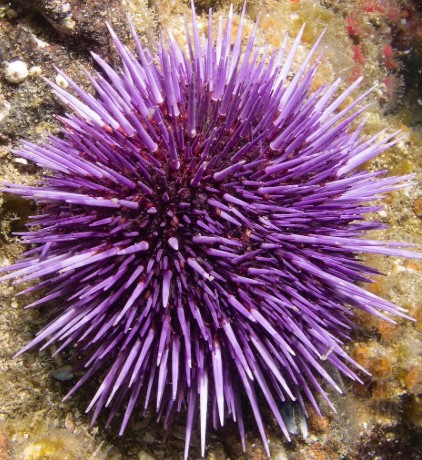
Purple Sea Urchin
Algae-grazing pincushions that carve perfect bowl-shaped homes into solid rock with their teeth and spines. Their populations exploded after sea star wasting disease, and now they're munching kelp forests faster than they can regrow — a real ecological story unfolding right under your feet.

Gooseneck Barnacle
One of nature's weirdest creatures. They're crustaceans (cousins of crabs and shrimp) that glue themselves headfirst to rocks at birth and spend their lives kicking food into their mouths with feathery legs. Considered a delicacy in Spain and Portugal — but please leave them where they live.
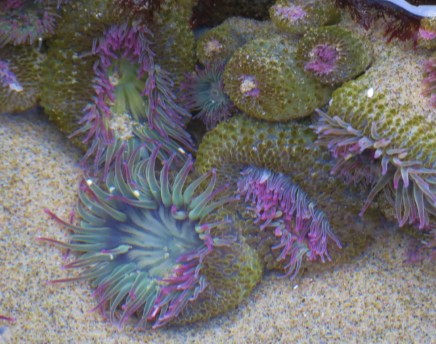
Aggregating Anemone
Smaller cousin of the giant green, but it clones itself into vast colonies covering whole rocks. The pink-tipped tentacles deliver actual stings — strong enough to immobilize small fish. Watch the borders between colonies: clones from different parents wage slow-motion territorial wars.
The creatures you'll have to look harder for
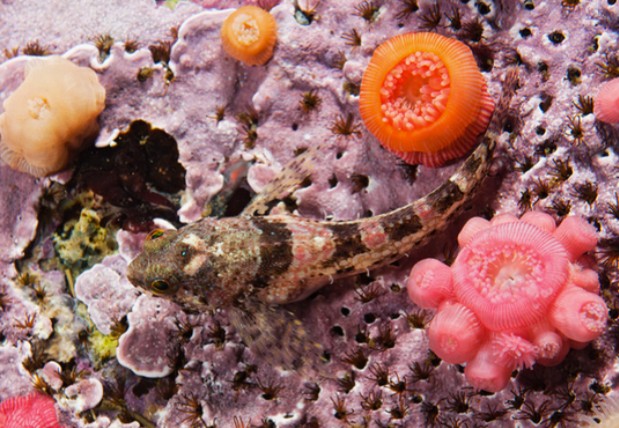
Tidepool Sculpin
A two-inch fish with attitude. Excellent camouflage against rock and algae. They navigate by smell and can find their way back to their home pool from up to 100 meters away.
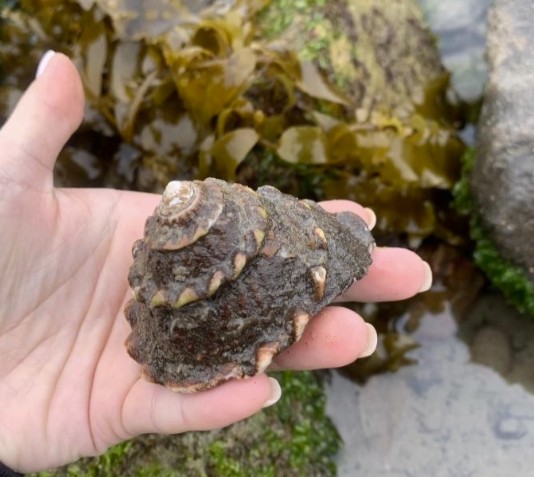
Black Turban Snail
Ubiquitous on the rocks, with a near-black shell that turns iridescent purple as it wears down. Lifespan can exceed 25 years — the snail you see today might be older than the kid pointing at it.
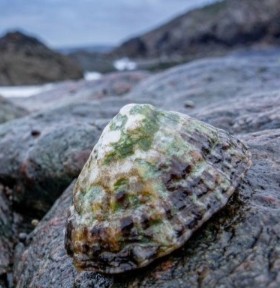
Limpet
Looks like a tiny pointed hat clamped to the rock. Each limpet returns to the exact same spot at low tide, lifetime after lifetime — its shell wears a perfect impression into the rock face.
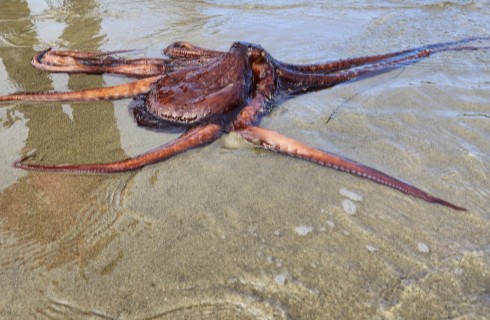
Pacific Octopus
Rare but real on the Oregon coast. The smaller red octopus can sometimes be glimpsed in deep crevices at low tide. Smart, shy, and absolutely the highlight if we're lucky.
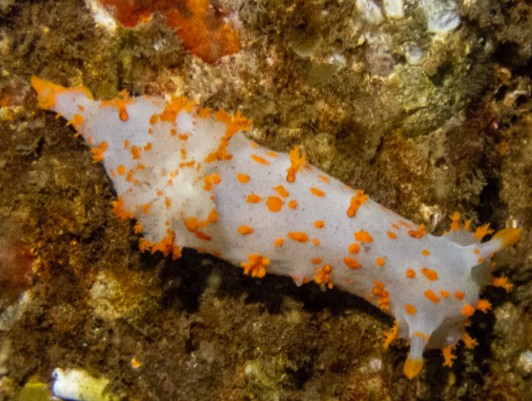
Nudibranch (sea slug)
Tiny psychedelic slugs in colors that look photoshopped — neon orange, electric blue, sunshine yellow. Many steal the stinging cells from anemones they eat and use them for their own defense.
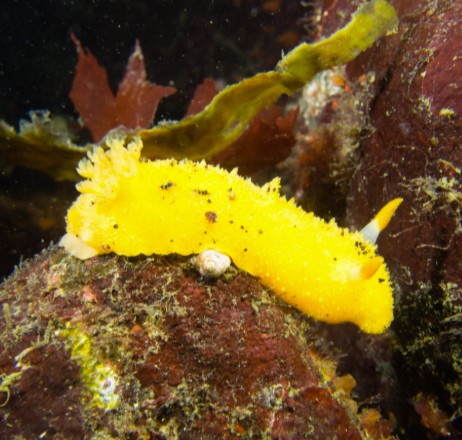
Sea Lemon
A bright yellow nudibranch shaped like a fuzzy lemon. Eats sponges. Lays eggs in spirals that look like tiny pieces of ribbon candy.
Tide pooling without leaving a footprint
Oregon's tide pools are public, free to visit, and astonishingly fragile. A single careless visitor can do damage that takes years to undo.
Watch where you step
Step on bare rock or sand whenever possible. Mussel beds, barnacles, and clusters of anemones are alive — every footprint kills. When in doubt, look for the lichen-grey "high water" rocks.
Look, don't lift
Rolled-over rocks rarely get returned correctly, exposing the underside community to sun and surf. If you do turn one, gently roll it back exactly as it was. Better: don't.
Hands stay wet
If you do touch an animal that can be touched, wet your hands first in seawater. Dry skin pulls off the protective slime layer that shields creatures from infection.
Never touch sea stars
Sea star wasting disease is still active in the Pacific. The pathogen may spread by contact. As tempting as it is, please admire from a short distance.
Take only photos
Shells (even empty-looking ones), rocks, and seaweed all play roles in the ecosystem. Pretty much every "empty" hermit crab shell on the Oregon coast belongs to a hermit crab planning to move in.
Watch the ocean
Sneaker waves are the leading cause of beach fatalities in Oregon. Never turn your back on the water. Watch the sea, not just the pool. When the tide turns, head back well before you "need" to.
The single most important number: tide height
Oregon's tide pools are only visible at low tide — and not just any low tide. The lower the better, and a negative low tide (below the average) is gold.
- +2.0 ft and up: not really tide pooling weather. Most of the intertidal is underwater.
- +1.0 to 0.0 ft: okay. You'll see the upper-zone creatures.
- -0.5 ft: good. Anemones, sea stars, urchins all visible.
- -1.0 ft and below: excellent. The mid- and low-zone is exposed; this is when the rare stuff comes out.
- -1.5 ft and lower: drop everything and go.
We schedule every tour around the lowest tides we can get. NOAA publishes free tide tables; we use the Garibaldi station as our reference for the north coast.
Reading about it is fun. Seeing it is unforgettable.
Join MyMy for a guided tour and meet these creatures up close.
Request a Tour